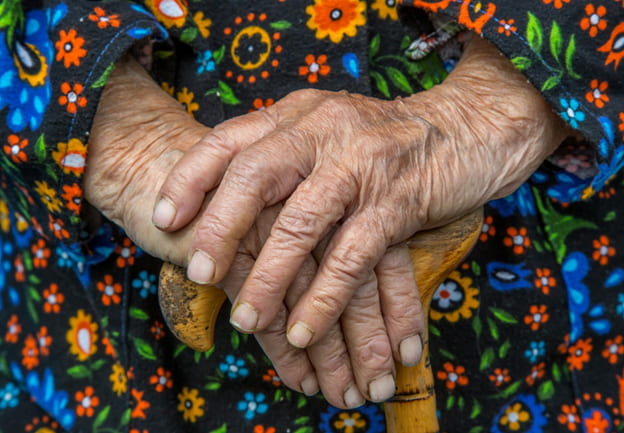
Have you ever wondered what makes life after 60 truly special?
Elderly life is full of moments to cherish, from spending time with family to exploring new hobbies. It’s a stage where comfort, care, and joy become priorities.
Discover ways to live happily and stay active every day-start your journey to a brighter, fuller life today!
24/7 Supervision
Elderly people need help at all times to stay safe. Constant supervision ensures they do not fall or hurt themselves. Caregivers can respond quickly to any emergency. This support gives both seniors and their families peace of mind.
Living with 24/7 supervision allows older adults to enjoy their day without fear. They can take part in activities knowing help is always nearby. Families feel reassured knowing their loved ones are safe. This continuous care makes everyday life more comfortable and secure.
Safe Environment
A safe home helps elderly people feel secure and calm. Removing hazards like loose rugs or sharp objects can prevent accidents. Good lighting and clear walkways make moving around easier. Safety features give families confidence that their loved ones are protected.
Creating a secure environment allows seniors to live more independently. Simple changes like handrails or non-slip floors make a big difference. Being in a safe space encourages them to stay active and confident. Overall, safety helps improve their daily life and peace of mind.
Personalized Care
Every elderly person has unique needs and preferences. Care tailored to them improves their comfort and happiness. Staff can focus on individual routines and health requirements. Personalized attention makes daily life easier and more enjoyable.
When care fits personal needs, seniors feel valued and understood. Activities, meals, and support can be adjusted to match their lifestyle. This approach helps maintain independence while ensuring safety. Overall, personal care enhances both health and well-being in later life.
Trained Staff
Skilled caregivers know how to support elderly people safely. They understand health needs and can respond quickly in emergencies. Friendly and trained staff help seniors feel comfortable every day. Their expertise makes daily routines smoother and more secure.
Having experienced caregivers gives families peace of mind. Staff can guide seniors through activities and provide proper medical care. This support helps maintain independence while ensuring safety. Overall, trained professionals improve both quality of life and well-being.
Memory-Friendly Design
Homes and care spaces designed for memory needs help seniors feel safe. Clear layouts and simple signage make it easy to move around. Familiar colors and patterns can reduce confusion and stress. Thoughtful design supports daily routines and independence.
A well-planned environment encourages confidence and comfort. Seniors can enjoy activities without feeling lost or anxious. Families also feel reassured knowing the space supports safety. Learn more about key wellness factors in memory care to create a supportive living space.
Enhancing Elderly Life: Helping Your Loved Ones Thrive
No one should feel alone in their struggle with memory decline. Memory care provides the compassionate support and specialized strategies necessary for enhancing the quality of elderly life.
Such facilities can transform the sunset years into a season of connection, mentorship, and joy, allowing individuals to share their stories and experiences in a supportive community.
Visit our blog for more!
Read Also
- Where to Find Reliable Mental Health Support for Teens
 Have you noticed changes in your teen’s mood, sleep, or behavior that leave you worried? Growing up can bring stress from school, friends, family, and new demands. Some teens may struggle to share their feelings or ask for help, even when they need support. Finding the right mental health support for teens can help them… Read more: Where to Find Reliable Mental Health Support for Teens
 - Top Trends Shaping the Future of Mental Health CareMental health care is moving fast to meet daily human needs. People want direct care that fits modern life. Clinics respond by creating flexible options that make healing easier to reach. Providers look past rigid habits to give people solid care. From smart tools to body wellness, these changes help people find relief when life… Read more: Top Trends Shaping the Future of Mental Health Care
- Full-Arch Dental Tourism: Why UK Patients With Severe Bone Loss Are Looking AbroadDental implants have become one of the fastest-growing segments of private dentistry. Within that market, one patient group behaves very differently from the rest: people who have been told they do not have enough upper jawbone for conventional implants. For these patients, the choice is rarely between one clinic and another. It is between a… Read more: Full-Arch Dental Tourism: Why UK Patients With Severe Bone Loss Are Looking Abroad
- Levels of Mental Health Care and When to Seek SupportMental health care can range from occasional outpatient appointments to 24-hour hospital treatment. The appropriate level depends on safety, symptom severity, daily functioning, medical needs, available support, treatment history and personal preferences. A licensed clinician should assess these factors rather than relying on a symptom list alone. Need help now? In the United States, call… Read more: Levels of Mental Health Care and When to Seek Support
- How to Choose a Shilajit Brand Based on the ResearchIn a randomized trial published in the Journal of the International Society of Sports Nutrition in 2019, 63 active men took 250 mg of standardized shilajit, 500 mg, or a placebo every day for eight weeks, and the benefit for strength retention after a fatiguing workout appeared only at 500 mg. For anyone choosing a… Read more: How to Choose a Shilajit Brand Based on the Research
- How to Incorporate Relaxation into Your Busy ScheduleFinding balance when you have a packed daily agenda often feels out of reach. Between work duties, family obligations, and personal projects, personal rest usually gets pushed to the bottom of the list. Small, intentional shifts in daily habits can help restore calm without requiring hours of extra free time. Continue reading to discover everything… Read more: How to Incorporate Relaxation into Your Busy Schedule
- Red Light Therapy for Skin and Wellness: Meet Vital Red Light TherapyModern wellness is not always about complicated treatments or long routines. Many people are now looking for simple, convenient ways to support their skin, recovery, and overall wellness at home. One technology getting more attention is red light therapy. Red light therapy uses specific wavelengths of red and near-infrared light to support the body’s natural… Read more: Red Light Therapy for Skin and Wellness: Meet Vital Red Light Therapy
- Managing Shock Loss After a Hair Transplant: The Financial and Clinical Imperative of Post-Op CareIn the rapidly evolving landscape of private healthcare, executive leadership within cosmetic and restorative surgery clinics faces a dual challenge: maintaining strict clinical standards while maximizing patient lifetime value (LTV) and brand advocacy. As the global medical tourism and elective procedure markets expand, clinical outcome quality alone is no longer the sole differentiator for premium… Read more: Managing Shock Loss After a Hair Transplant: The Financial and Clinical Imperative of Post-Op Care